
Click here for our Personal Injury Services

Las Vegas Drug DUI Defense Attorney

A Las Vegas drug DUI defense attorney represents individuals charged with driving under the influence of controlled, prohibited, or prescription substances under NRS 484C.110. Unlike alcohol DUI cases that rely on breath testing, drug DUI charges require blood or urine analysis — introducing a different set of scientific evidence and a different set of defense strategies. Nevada treats drug DUI with the same severity as alcohol DUI: the same mandatory jail time, the same fines, and the same license revocation periods apply regardless of whether the substance involved was illegal, prescription, or over-the-counter. De Castroverde Law Group has defended drug DUI cases throughout Las Vegas and Clark County for decades. For a complete overview of our DUI defense practice, visit our DUI defense lawyer Las Vegas hub page.

Hablamos Español

Contact De Castroverde Law

for a Confidential Consultation About Your Drug DUI Charge

What a Drug DUI Defense Attorney Challenges Under NRS 484C.110

NRS 484C.110 prohibits driving or being in actual physical control of a vehicle while under the influence of a controlled substance, a prohibited substance, or any combination of intoxicating substances. The prosecution can prove a drug DUI case under two separate theories.

Under the per se theory, the prosecution only needs to show that your blood or urine contained a prohibited substance at or above the statutory threshold listed in NRS 484C.110(3). It does not matter whether the substance actually impaired your driving — exceeding the threshold is the offense. Under the impairment theory, the prosecution argues that a substance — even one not listed in the per se table, or present below the threshold — rendered you incapable of safely driving. This theory is common in prescription drug DUI cases where the substance is legally possessed but allegedly caused impairment.


Prohibited Substance Blood and Urine Limits in Nevada

NRS 484C.110(3) establishes per se limits for specific controlled and prohibited substances. If your blood or urine test results meet or exceed these thresholds, you can be convicted of DUI regardless of whether you appeared impaired.

Substance Urine (ng/mL) Blood (ng/mL)
Amphetamine 500 100
Cocaine 150 50
Cocaine metabolite 150 50
Heroin 2,000 50
Heroin metabolite (morphine) 2,000 50
Lysergic acid diethylamide (LSD) 25 10
Marijuana (delta-9-THC)* 2
Methamphetamine 500 100
Phencyclidine (PCP) 25 10

Prescription Drug DUI in Nevada

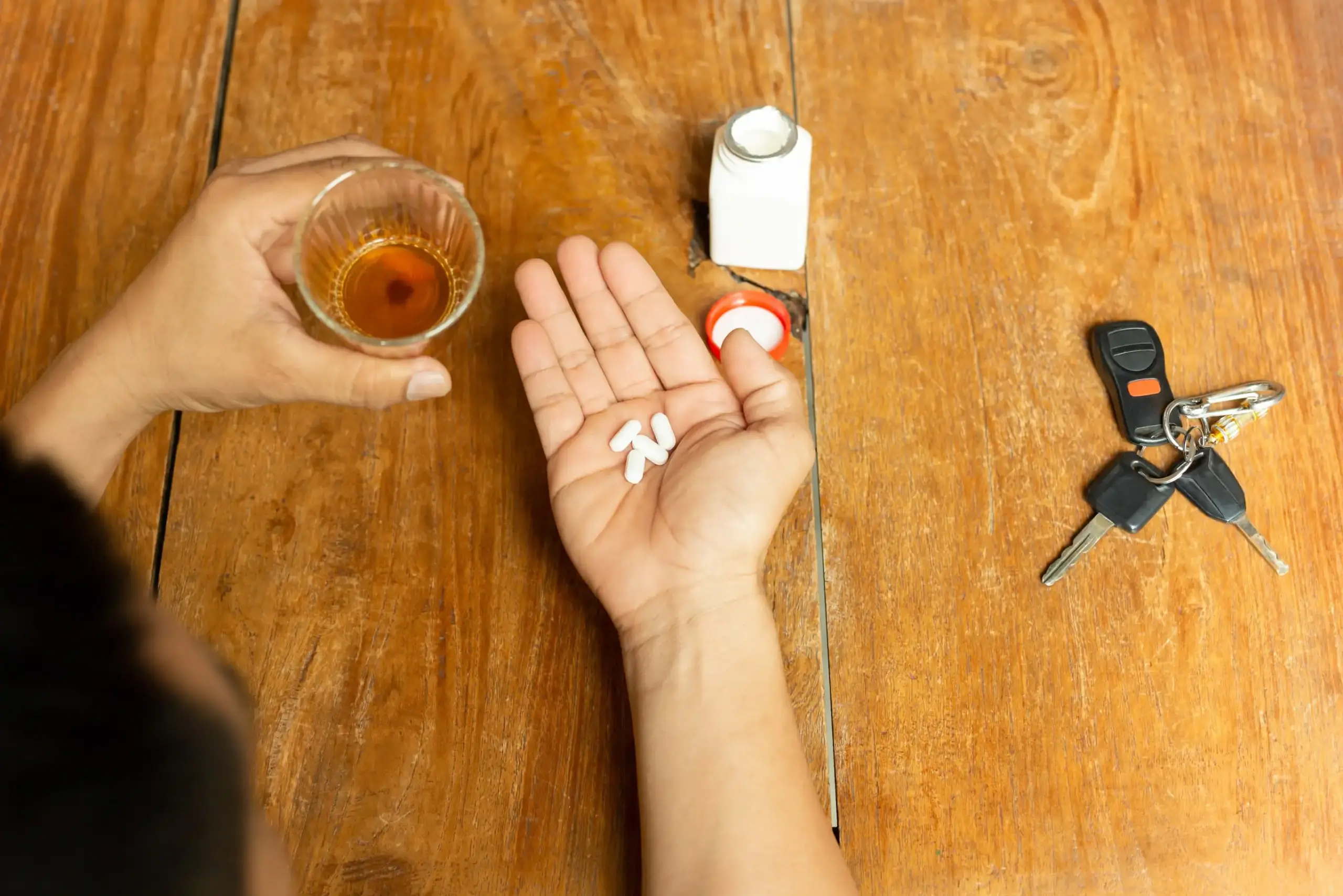
Having a valid prescription does not protect you from a drug DUI charge in Nevada. NRS 484C.110 prohibits driving under the influence of any substance that renders you incapable of safely driving, regardless of whether you obtained it legally. This means patients taking prescribed opioids, benzodiazepines, sleep medications, muscle relaxants, or certain antidepressants can face the same DUI charges and penalties as someone using illegal drugs.

Medical marijuana presents a particular challenge. Although Nevada legalized recreational marijuana in 2017, the per se THC threshold remains in the statute. Because THC metabolites can remain detectable in blood for days or even weeks after use, a patient who consumed marijuana legally days before driving may still test above the threshold. A drug DUI defense attorney can challenge whether the detected THC level actually reflected impairment at the time of driving. For information about marijuana-related charges, visit our marijuana possession page.

How Drug DUI Testing Works in Nevada

Drug DUI cases rely on chemical testing of blood or urine because breath tests cannot detect controlled substances. Under Nevada’s implied consent law (NRS 484C.160), drivers are deemed to have consented to chemical testing when an officer has reasonable grounds to believe they are driving under the influence. Refusing a test triggers a separate license revocation.

When an officer suspects drug impairment, the investigation typically begins with standard field sobriety tests at the roadside — the same walk-and-turn, one-leg stand, and horizontal gaze nystagmus tests used in alcohol DUI cases. If the officer believes drugs rather than alcohol are involved, they request a Drug Recognition Expert (DRE) evaluation. A DRE is a specially trained officer who conducts a twelve-step protocol that includes checking vital signs, examining pupil size and reaction to light, testing muscle tone, and observing balance and coordination. The DRE then offers an opinion on what category of substance is causing impairment. However, DRE evaluations are subjective assessments — not scientific tests — and their conclusions can be challenged on multiple grounds, including inadequate training, failure to follow protocol, and the influence of medical conditions that mimic drug impairment.

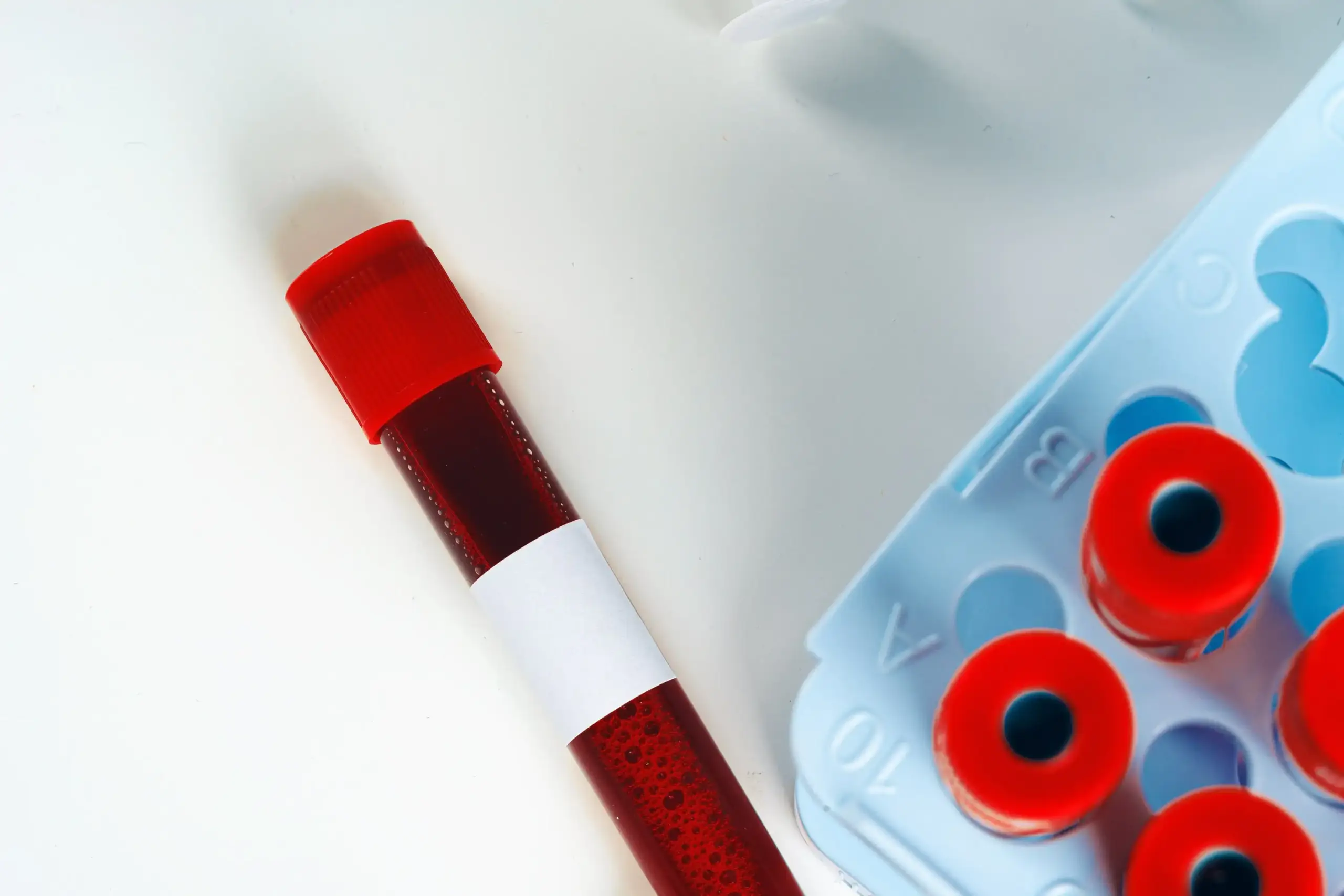
A blood draw is then performed to confirm the DRE’s opinion. The accuracy of the blood test depends on proper collection procedures, correct chain of custody, and certified laboratory analysis. Errors at any stage — contaminated vials, delayed processing, or improper storage — can compromise the results. For more on chemical testing procedures, visit our breath and blood tests page.

Penalties for Drug DUI in Nevada

Drug DUI penalties under NRS 484C.400 are identical to alcohol DUI penalties. Nevada does not distinguish between the two when it comes to sentencing. Every conviction also triggers license revocation and ignition interlock requirements — for details, visit our DUI penalties page.

Offense Level Classification Jail / Prison Fine
1st offense Misdemeanor 2 days – 6 months $400 – $1,000
2nd offense (within 7 years) Misdemeanor 10 days – 6 months $750 – $1,000
3rd+ offense (within 7 years) Category B felony 1 – 6 years state prison $2,000 – $5,000
DUI causing death or substantial bodily harm (NRS 484C.430) Category B felony 2 – 20 years state prison $2,000 – $5,000

In addition to jail time and fines, every drug DUI conviction carries mandatory license revocation — 185 days for a first offense, one year for a second, and three years for a third or felony. The court also orders DUI school, community service, and an ignition interlock device. For a full breakdown of license consequences, visit our license revocation page.

Dual Charges: Drug DUI Plus Possession

A drug DUI arrest frequently results in additional charges. If officers discover drugs in your vehicle during the arrest or search, you may face a separate possession charge under NRS 453.336 on top of the DUI. For small quantities of Schedule I or II controlled substances, possession is charged as a Category E felony, which carries a presumption of probation for first and second offenses but still results in a felony on your record.

These dual charges create compounding consequences: two sets of penalties, two conviction records, and separate collateral effects on employment, housing, and professional licensing. For non-citizens, the combination of a DUI conviction and a drug possession conviction can trigger deportation proceedings and permanent bars to immigration relief. A drug DUI defense attorney evaluates both charges together to identify unified defense strategies and negotiate global resolutions rather than addressing each charge in isolation.

Defense Strategies for Drug DUI Charges in Las Vegas

Drug DUI cases present unique defense opportunities that do not exist in alcohol DUI cases. The science behind drug testing is more complex, the detection windows are longer, and the relationship between blood concentration and impairment is less established.

If you are facing drug DUI charges, contact a Las Vegas drug DUI defense attorney at De Castroverde Law Group before your first court appearance. Drug DUI cases involve complex scientific evidence that requires an attorney experienced in challenging blood tests, DRE evaluations, and per se threshold arguments. Our criminal defense attorney Las Vegas team fights drug DUI charges aggressively on every front. Learn more about our approach on our about our firm page.

The blood draw must follow specific protocols — proper sterilization (without alcohol-based swabs that could contaminate the sample), correct vial type, adequate sample volume, and documented chain of custody from the draw site to the laboratory. Any deviation can be grounds to suppress the test results. Delays between the traffic stop and the blood draw can also affect the reliability of the results.

Drug Recognition Expert evaluations are not infallible. The twelve-step protocol relies heavily on the officer’s subjective observations and training. Defense attorneys challenge DRE testimony by examining the officer’s certification status, whether every step of the protocol was completed, whether medical conditions were ruled out, and whether the DRE’s opinion is consistent with the toxicology results. Studies have shown that DRE officers misidentify drug categories at significant rates.

If you were taking a lawfully prescribed medication at the recommended dosage, the defense can argue that the medication did not actually impair your driving ability. Medical records, pharmacy records, and expert testimony from a pharmacologist or toxicologist can establish that the detected substance level was consistent with therapeutic use rather than abuse. This defense is particularly relevant for patients on long-term medication regimens whose bodies have developed tolerance.

Some substances — particularly edible marijuana products — have delayed absorption. If you consumed a substance shortly before driving but were not yet impaired at the time of the traffic stop, the blood test performed later may reflect a higher concentration than what was present when you were actually behind the wheel. A toxicologist can testify about absorption timelines to support this defense.

Hablamos Español

Contact De Castroverde Law for a Confidential Consultation About Your Drug DUI Case

Frequently Asked Questions About Drug DUI in Nevada

Yes. NRS 484C.110 prohibits driving under the influence of any substance that impairs your ability to drive safely, including lawfully prescribed medications. Having a valid prescription is not a defense to the DUI charge itself, although it can support a defense argument that the medication did not actually cause impairment at the time of driving.

The penalties are identical — the same jail time, fines, license revocation, and ignition interlock requirements apply. However, the evidence is different. Drug DUI cases rely on blood or urine testing rather than breath tests, and the prosecution may use a Drug Recognition Expert evaluation in addition to or instead of standard field sobriety tests.

The per se limit for marijuana (delta-9-THC) is 2 nanograms per milliliter of blood. However, this threshold appears in NRS 484C.110(4) and applies specifically to felony-level DUI offenses. The prosecution can also pursue marijuana DUI under the general impairment standard regardless of the specific THC level detected.

You can refuse, but there are consequences. Under Nevada’s implied consent law (NRS 484C.160), refusing a chemical test triggers a separate one-year license revocation for a first refusal and three years for a second refusal within seven years. Additionally, officers can obtain a warrant to draw your blood by force, and your refusal can be used as evidence against you at trial.

Contact us

Let Us Help You

Once we receive your information, a representative from our team will contact you in order to start the process. If you have any questions regarding your case, check out our FAQs page or click on the questions below.


    Request a Legal Case Evaluation Chat Confidentially Now Available 24/7
    Orlando De Castroverde Alex De Castroverde