



Assault With a Deadly Weapon: Where Cases Turn Serious
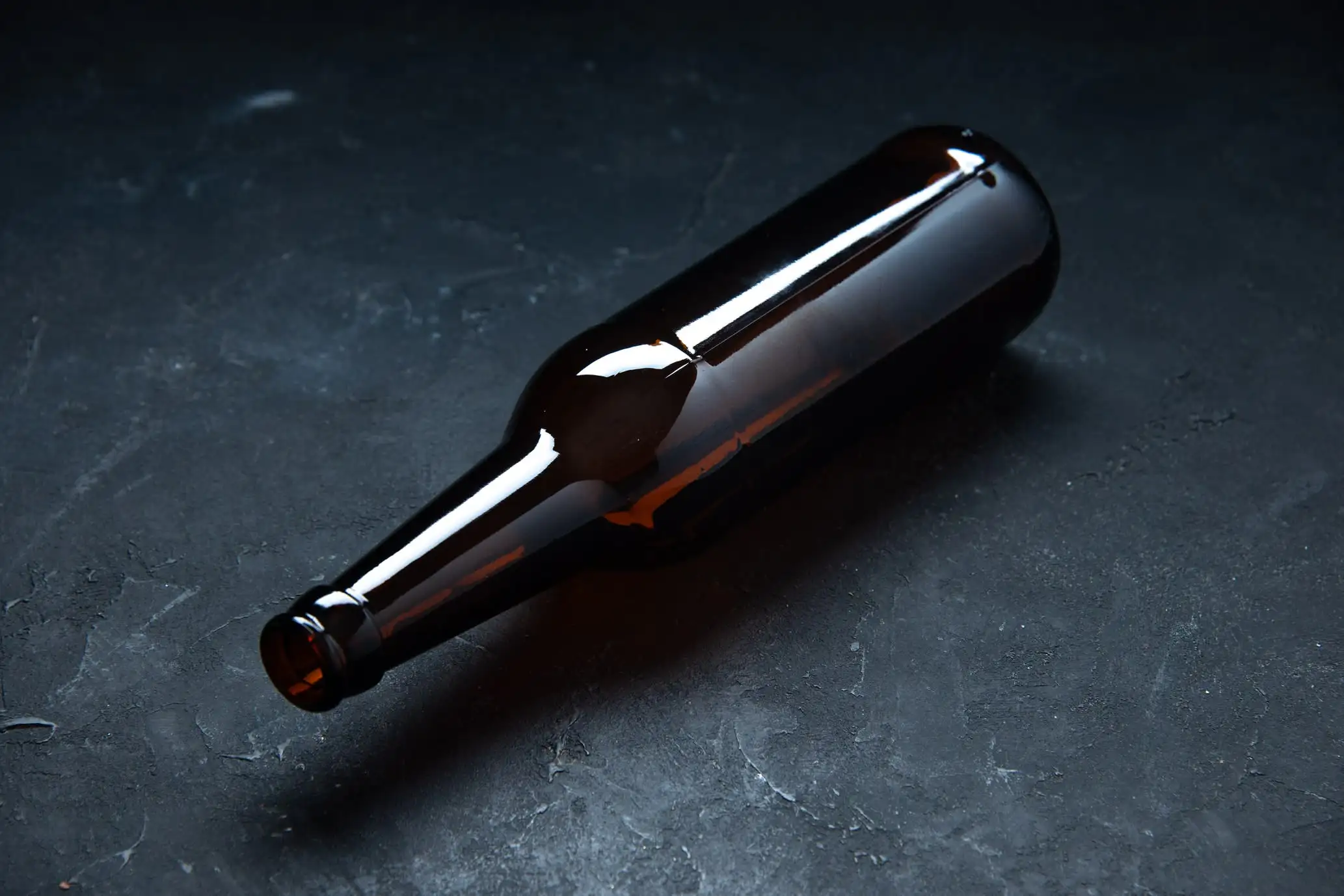
Add a deadly weapon to either charge and probation-friendly misdemeanor territory disappears. “Deadly weapon” in Nevada is broader than guns and knives — bottles, vehicles, tools, anything capable of causing substantial harm in the way it was used. An argument in a casino parking lot becomes a category B felony because a beer bottle was in your hand. These cases carry 1 to 6 years for assault with a deadly weapon and up to 15 for armed battery, and they are the most common serious charge to come out of Strip and nightlife incidents.
The good news inside the bad: weapon cases give the defense more to work with, not less. Whether the object was actually capable of substantial harm as used, whether it was displayed or merely present, whether the identification of who held it survives cross-examination — every element the State adds is an element it must prove. Our dedicated assault with a deadly weapon page covers charging patterns, weapon-definition fights, and defense strategies in detail.