



Click here for our Personal Injury Services

Las Vegas Assault and Battery Attorney

You can be charged with assault in Nevada without ever touching anyone — and an experienced Las Vegas assault and battery attorney knows that’s often exactly where the defense begins. Under Nevada law, assault is about attempted force or the fear of it; battery is the actual physical contact. Prosecutors charge both aggressively, bar fights become felony cases when a bottle counts as a deadly weapon, and a conviction follows you long after the sentence ends.

De Castroverde Law Group has defended assault and battery cases in Las Vegas for decades — bar fights, casino incidents, domestic accusations, and self-defense cases that never should have been charged. This page explains what you’re actually charged with, what the penalties look like, and where these cases are won.

Orlando De Castroverde — Las Vegas Criminal Defense Attorney

Criminal Defense Attorney at De Castroverde Law Group

Member of the Nevada Justice Association’s Membership Committee; Guardian of Justice, Board of the Las Vegas Metropolitan Department Foundation, Nevada State Bar

Las Vegas Assault and Battery Attorney
Orlando De Castroverde

De Castroverde Law

YOUR NEXT STEP STARTS HERE

Charged with assault or battery in Las Vegas? Get a former prosecutor’s read on your case — free, confidential consultation with De Castroverde Law Group. Hablamos Español.

Alex De Castroverde

Assault vs. Battery in Nevada: the 60-Second Explanation

Nevada splits what most states call “assault and battery” into two separate crimes, and the difference decides everything about your case:

  Assault (NRS 200.471) Battery (NRS 200.481)
What it is Attempting to use force, OR intentionally putting someone in reasonable fear of immediate harm Any willful and unlawful use of force or violence on another person
Contact required? No — a swing that misses or a credible threat is enough Yes — even a shove or grabbing an arm qualifies
Base charge Misdemeanor Misdemeanor
Felony version With a deadly weapon: category B, 1–6 years With a weapon, serious injury, or strangulation: category C or B, up to 15 years

The two are routinely charged together from a single incident — the swing is the assault, the connection is the battery. Which counts you face, and at what level, is where a defense lawyer goes to work first, because the gap between a misdemeanor and a category B felony is the gap between a fine and prison.

The distinction also shapes the evidence fight. Assault cases live and die on perception — what the alleged victim claims to have feared and whether that fear was reasonable. Battery cases turn on physical proof: injuries, medical records, and increasingly, video. Las Vegas is the most-surveilled city in America, and in our experience the camera footage helps the defense as often as it helps the State — if someone moves fast enough to preserve it.

Assault Penalties Under NRS 200.471

Assault penalties under NRS 200.471 turn on who the alleged victim was and whether a weapon was involved:

Charge Level Penalty
Simple assault Misdemeanor Up to 6 months jail, fine up to $1,000
Assault on a protected person (police, firefighter, health care provider, school employee, taxi/transit driver, sports official) Gross misdemeanor Up to 364 days jail, fine up to $2,000
Assault by a prisoner, probationer, or parolee Category D felony 1–4 years prison
Assault with a deadly weapon (any victim) Category B felony 1–6 years prison, fine up to $5,000

The protected-person tier catches people by surprise. Nevada elevates assault from a misdemeanor to a gross misdemeanor when the alleged victim is a police officer, firefighter, paramedic, nurse or other health care provider, school employee, taxi or transit driver, utility worker, or sports official performing their duties — and the defendant knew or should have known it. A heated moment with hospital security or a rideshare driver is charged a full level higher than the same conduct on the street. And for anyone in custody, on probation, or on parole, the same conduct becomes a category D felony before any weapon enters the picture.

Battery Penalties Under NRS 200.481

Battery escalates on three factors: injury, strangulation, and weapons. Note the tier most websites get wrong — battery by strangulation without a weapon is a category C felony, not B:

Charge Level Penalty
Simple battery (no injury, no weapon) Misdemeanor Up to 6 months jail, fine up to $1,000
Battery causing substantial bodily harm OR by strangulation Category C felony 1–5 years prison, fine up to $10,000
Battery with a deadly weapon (no serious injury) Category B felony 2–10 years prison, fine up to $10,000
Battery with a deadly weapon causing substantial bodily harm or by strangulation Category B felony 2–15 years prison, fine up to $10,000

Two details in this table deserve emphasis. First, “substantial bodily harm” is a legal threshold, not a feeling — prolonged pain, disfigurement, or impairment — and whether an injury clears it is a fight worth having, because it is the line between six months and five years. Second, strangulation has its own statutory definition under NRS 200.481(1)(i): impeding breathing or circulation by pressure on the throat or neck in a way that creates a risk of harm. Prosecutors charge it aggressively in domestic cases; the correct category C classification matters at every negotiation.

If the alleged victim and you share a domestic relationship, the case moves into Nevada’s domestic violence framework, with mandatory arrest policies and its own penalty ladder — see our domestic violence defense pages. Battery charges at the felony level are handled in depth on our felony battery page, and our battery defense attorney page covers the full charge family.

And every tier above the misdemeanor line carries baggage the table doesn’t show: a felony conviction affects firearm rights, professional and gaming licenses, housing and employment screening, and — for non-citizens — immigration status, where crimes involving violence receive special scrutiny. Those collateral stakes are often the real reason to fight a charge that might otherwise look ‘manageable.’

Deadly weapon

Assault With a Deadly Weapon: Where Cases Turn Serious

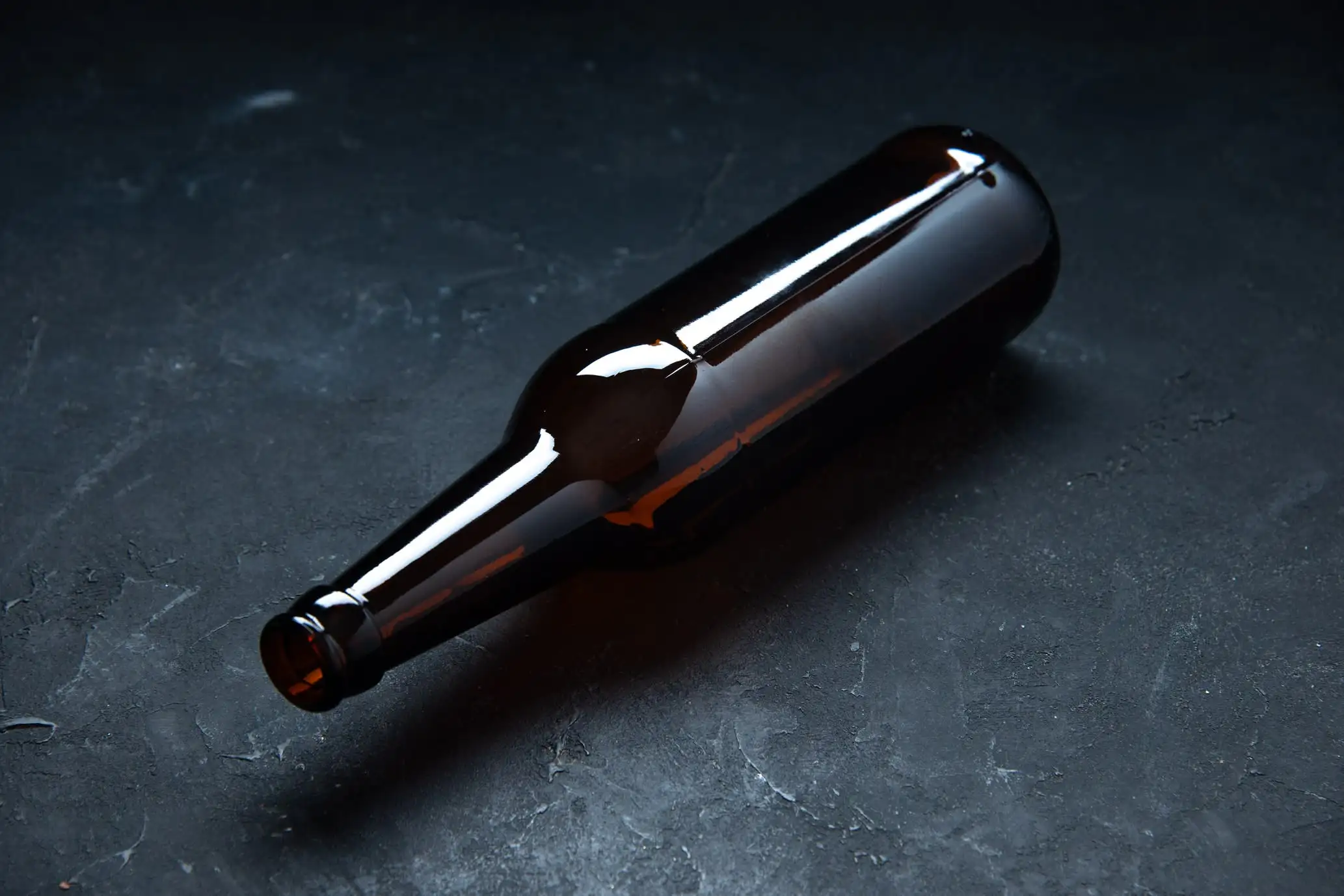
Add a deadly weapon to either charge and probation-friendly misdemeanor territory disappears. “Deadly weapon” in Nevada is broader than guns and knives — bottles, vehicles, tools, anything capable of causing substantial harm in the way it was used. An argument in a casino parking lot becomes a category B felony because a beer bottle was in your hand. These cases carry 1 to 6 years for assault with a deadly weapon and up to 15 for armed battery, and they are the most common serious charge to come out of Strip and nightlife incidents.

The good news inside the bad: weapon cases give the defense more to work with, not less. Whether the object was actually capable of substantial harm as used, whether it was displayed or merely present, whether the identification of who held it survives cross-examination — every element the State adds is an element it must prove. Our dedicated assault with a deadly weapon page covers charging patterns, weapon-definition fights, and defense strategies in detail.


Self-Defense in Nevada: Stand Your Ground and the Castle Doctrine

Nevada is a stand-your-ground state by statute, not just by reputation. Under NRS 200.120(2), you have no duty to retreat before defending yourself if three things are true: you are not the original aggressor, you have a right to be where you are, and you are not engaged in criminal activity. The Nevada Supreme Court has recognized the no-retreat rule for decades (Culverson v. State, 1990).

The Castle Doctrine goes further at home and in your car: under NRS 200.130, fear of harm is legally presumed reasonable when someone is forcibly and unlawfully entering an occupied home or occupied vehicle. And under NRS 200.200, deadly force in self-defense requires that the danger was urgent and pressing and that you were not the one who started the confrontation.

The same framework protects you when you defend someone else — a partner, a friend, a stranger being attacked — so long as the person you defended would have had the right to self-defense themselves. What the framework does not excuse is disproportion: force must answer the threat, not exceed it, and deadly force is reserved for urgent danger of death or great bodily harm. Defending property alone, without a threat to a person, gets far narrower protection — a distinction that decides many casino and nightlife cases.

In practice, self-defense is the defining defense in Las Vegas assault and battery cases — mutual-combat bar fights, escalating road incidents, home confrontations. The legal framework is favorable, but it is fact-driven: who threw the first punch, what witnesses saw, what the cameras caught. Building that record early is the difference between a charge that gets dismissed and one that goes to trial.

How Assault Cases Move Through the Las Vegas Courts

Misdemeanor assault and battery cases are heard in Las Vegas Justice Court at the Regional Justice Center or in Las Vegas Municipal Court, depending on where the incident happened; incidents in Henderson or North Las Vegas go to those cities’ own courts. Felony charges — deadly weapon cases, serious injury cases — start with a preliminary hearing in Justice Court and are prosecuted alongside Nevada’s other violent crimes in the Eighth Judicial District Court, with bail arguments, protective orders, and a prosecution team that tries these cases weekly. Knowing which courtroom, which prosecutor unit, and which judge’s practices apply is unglamorous local knowledge — and it changes negotiations.

Strip and casino incidents add a layer most defendants don’t expect: security footage, incident reports written by casino staff before police arrive, and aggressive early charging driven by the resort’s own interests. The window to preserve favorable video is short — surveillance systems overwrite on rolling schedules, and only a timely defense demand keeps exculpatory footage alive. A typical misdemeanor case resolves in two to four months; a contested felony can run a year. Through all of it, conditions of release — no-contact orders, travel restrictions — are themselves negotiable, and often matter as much day-to-day as the charge itself.

Defense Strategies That Win Assault and Battery Cases

Self-defense and defense of others, as covered above — the most litigated and most successful defense in this charge family.

No reasonable apprehension

Assault requires that the alleged victim reasonably feared immediate harm. Vague threats, conditional statements, or after-the-fact accounts often fail that element.

False and exaggerated accusations

Assault charges are uniquely easy to allege — no injury required. Cross-examining the story against physical evidence, video, and witness inconsistencies dismantles weak cases.

Weapon-definition challenges

Whether an object was a ‘deadly weapon’ as used is an argument, not a fact — and it’s the difference between a misdemeanor and a category B felony.

Lack of willfulness

Battery requires willful unlawful force — accidental contact in a crowd, incidental contact during flight, and defensive contact are not batteries.

Identity and attribution

In chaotic multi-person incidents — exactly what Strip fights are — pinning specific conduct on a specific person is the State’s hardest job. Grainy footage, intoxicated witnesses, and cross-accusations create reasonable doubt on their own.

Hire an attorney

Why Hire De Castroverde Law Group for an Assault Charge

Assault cases are momentum cases: the story told in the first police report tends to harden unless someone contests it early. Our defense team includes former prosecutors who know how Clark County charges these cases and exactly what makes a self-defense file convincing to the other side of the table. We move immediately on evidence preservation — casino and venue footage, 911 audio, witness statements — and we defend the whole person, not just the charge, including the immigration and licensing consequences a conviction can carry.

Outcomes in this charge family range wider than almost any other: the same police report can end in a dismissal, a plea to breach of peace, or a felony trial, depending almost entirely on the quality and speed of the defense. We serve our clients in English and Spanish, from first consultation to final resolution. Explore our full Las Vegas criminal defense practice or start with a free case review today.

Las Vegas Assault Charges — Frequently Asked Questions

Yes — that is precisely what Nevada assault is. Attempting to use force, or intentionally putting someone in reasonable fear of immediate harm, completes the crime with no contact at all. Touching is battery, a separate charge.

Not by default. Simple assault is a misdemeanor. It becomes a gross misdemeanor against protected professionals, a category D felony when committed by someone in custody or under supervision, and a category B felony — 1 to 6 years — whenever a deadly weapon is involved.

The decision belongs to the State, not the complaining witness. Prosecutors routinely proceed without the victim’s cooperation, especially in domestic contexts. A recanting witness helps the defense — but it does not end the case by itself. What ends cases is proof problems, and an uncooperative key witness is one of several a defense lawyer can build on.

Being the original aggressor generally forfeits stand-your-ground protection — but not forever. If you withdrew from the confrontation and the other person pursued, or the response to your initial act was grossly disproportionate, self-defense can revive. These are exactly the fact fights an experienced defense lawyer builds.

Until sealed, yes. Misdemeanor convictions become sealable after a waiting period; felony convictions wait longer, and the waiting periods vary by category. The cleaner path is beating or reducing the charge now — sealing later is the backup plan, not the strategy.

Three things. Say nothing about the incident to anyone but your lawyer — including cellmates and social media. Write down everything you remember while it’s fresh: who was there, what was said, where cameras might be. And get counsel moving on evidence preservation immediately; venue footage and witness memories are the first things to disappear, and they are usually the defense’s best material.

De Castroverde Law

PUT EXPERIENCE ON YOUR SIDE

Your side of the story deserves a defense team that knows how to prove it. Free consultation with De Castroverde Law Group — available now. Hablamos Español.

DLG Brothers

Contact us

Let Us Help You

Once we receive your information, a representative from our team will contact you in order to start the process. If you have any questions regarding your case, check out our FAQs page or click on the questions below.


    Chat Confidentially Now CALL NOW - 725 222 9999
    Orlando De Castroverde Alex De Castroverde